For a limited time, The Clean Beauty Blueprint (a full $997 program) is completely free

Clean Beauty Biz Blog
Why Salon Sanitation Must Evolve: The Hidden Risks of Old Systems & the Sustainable Solutions You Need Now
For an industry built on beauty, transformation, and innovation, salon sanitation is shockingly outdated. Most salons still rely on disinfectant systems created in the late 1940s and early 1950s, long before modern pathogens, sustainability concerns, or even current materials existed. And while product labels have gotten a makeover with more leaves and more “green” language... the chemistry hasn’t changed in generations.
But clients have changed. Standards have changed. Our understanding of health and environmental impact has changed. And the way we disinfect must change too.
In this article, we break down:
Why traditional disinfectants (quats + alcohol) are harming surfaces, lungs & the environment
What “sustainability” actually means in the context of disinfectants
The rise of hypochlorous acid (HOCl) as a safer, greener, more effective alternative
How head spas and waterlines create hidden sanitation risks
How to evaluate products beyond marketing claims or greenwashing
If you care about clean beauty, client safety, and staying ahead of industry standards, this deep dive is for you.
The Beauty Industry Hasn’t Updated Its Sanitation Playbook Since the 1950s
Most disinfectants used in salons today rely on two active ingredients:
Quaternary ammonium compounds (“quats”)
High levels of alcohol
These formulas made sense when they were introduced at a time when pathogens were different, materials were different, and environmental impact wasn’t part of the conversation. But today’s reality is very different:
MRSA didn’t exist in salons back then.
Norovirus wasn’t the epidemic-level concern it is today.
Chairs, tubs, and surfaces weren’t made with modern materials that degrade under harsh chemicals.
We’re essentially trying to solve new problems with old tools, and the results are showing.
The Hidden Damage Quats and Alcohol Are Causing in Your Salon
The pandemic made something painfully clear: the way we use disinfectants matters.
During COVID, salons, schools, and households dramatically increased their use of quats and alcohol. The results?
1. Surface damage
Chairs, headrests, shampoo bowls, vinyl, leather, and even painted surfaces cracked, faded, and degraded due to the drying, corrosive effect of these chemicals.
2. Respiratory and skin irritation
Stylists reported headaches, dry eyes, asthma-like symptoms, and skin irritation—all linked to overexposure.
3. Environmental contamination
For the first time in history, studies detected quats in:
wastewater, meaning the chemicals are entering our waterways
breast milk, showing they are being absorbed into the body
This data shows that traditional disinfectants are no longer simply “strong cleaners”, they’re environmental toxins with long-term consequences.
So What Does “Sustainable” Actually Mean in Disinfection?
Sustainability isn’t a leaf on a label or a green-tinted bottle. Sustainability must be evaluated across the entire lifecycle:
Raw materials used in manufacturing
Chemical safety for humans and the environment
Packaging waste
Freight weight and carbon footprint
Use-phase safety
Disposal impact
Many conventional disinfectants fail at nearly every stage.
Just because something kills germs does not mean it’s clean, sustainable, or aligned with modern beauty standards.
Why Greenwashing Confuses Salon Owners
When sustainability became popular, manufacturers rushed to slap “green,” “eco-friendly,” and “natural” on their labels. But most of these claims weren’t regulated then and still aren’t now.
A disinfectant might call itself “eco-conscious,” but:
It’s still sold in a heavy gallon of virgin plastic
It still uses quats or alcohol
It still requires a 10-minute contact time
Its “studies” were funded by the manufacturer
To avoid being fooled, look for independent research, white papers, or certifications.
HOCl: The Modern Alternative Salons Have Been Waiting For
Hypochlorous acid (HOCl) isn’t new. It’s the oxidant your white blood cells naturally produce to fight infection. What IS new is the ability to generate it safely and effectively in tablet form.
Here’s what makes HOCl a breakthrough for the beauty world:
1. Biodegradable + low-tox
HOCl breaks down into saline. No harmful residues. No irritants. No bioaccumulation.
2. Fast contact time
HOCl disinfects in four minutes (not ten) meaning busy stylists can actually comply.
3. Safe on surfaces
With a pH similar to water, it won’t:
crack vinyl
break down leather
degrade tubs
damage massage chairs
stain or bleach fabrics
4. Replaces multiple products
The same solution can be used to:
spray stations
soak tools
wipe surfaces
disinfect head spa equipment
flush hoses and waterlines
5. Huge reduction in plastic waste
One tiny container replaces 30 one-gallon jugs of traditional disinfectant.
6. Major cost savings
Less packaging, lower freight weight, and fewer SKUs reduce overhead without reducing performance.
The Head Spa Problem No One Is Talking About
Head spas are exploding in popularity, but the sanitation risks are rarely discussed.
Portable head spa tubs, hoses, and waterlines are extremely difficult to clean thoroughly. Most can’t be fully disassembled, and biofilm builds up fast.
HOCl is one of the only solutions that can:
break down biofilm inside lines
disinfect without damaging materials
rinse clean without leaving residue
For salons offering scalp treatments or Japanese-style head spas, this is a game changer.
Why Salons Must Lead the Change Before Regulations Do
If the beauty industry doesn’t evolve sanitation voluntarily, regulators will eventually step in.
And their rules may not be practical for real salon life.
By choosing safer, greener systems now, salons:
protect clients
protect staff
stay ahead of compliance shifts
strengthen brand trust
build a marketing advantage
Clients are already seeking clean, low-tox environments. Transparent sanitation practices are becoming a competitive edge.
The Future of Clean Beauty Starts Here
We finally have the science, technology, and tools to align disinfection with our values.
We no longer have to choose between “effective” and “eco-friendly.”
We no longer have to accept cracked chairs, harsh fumes, or 1950s chemistry.
Salons deserve better. Clients deserve better.
And the planet deserves far better.
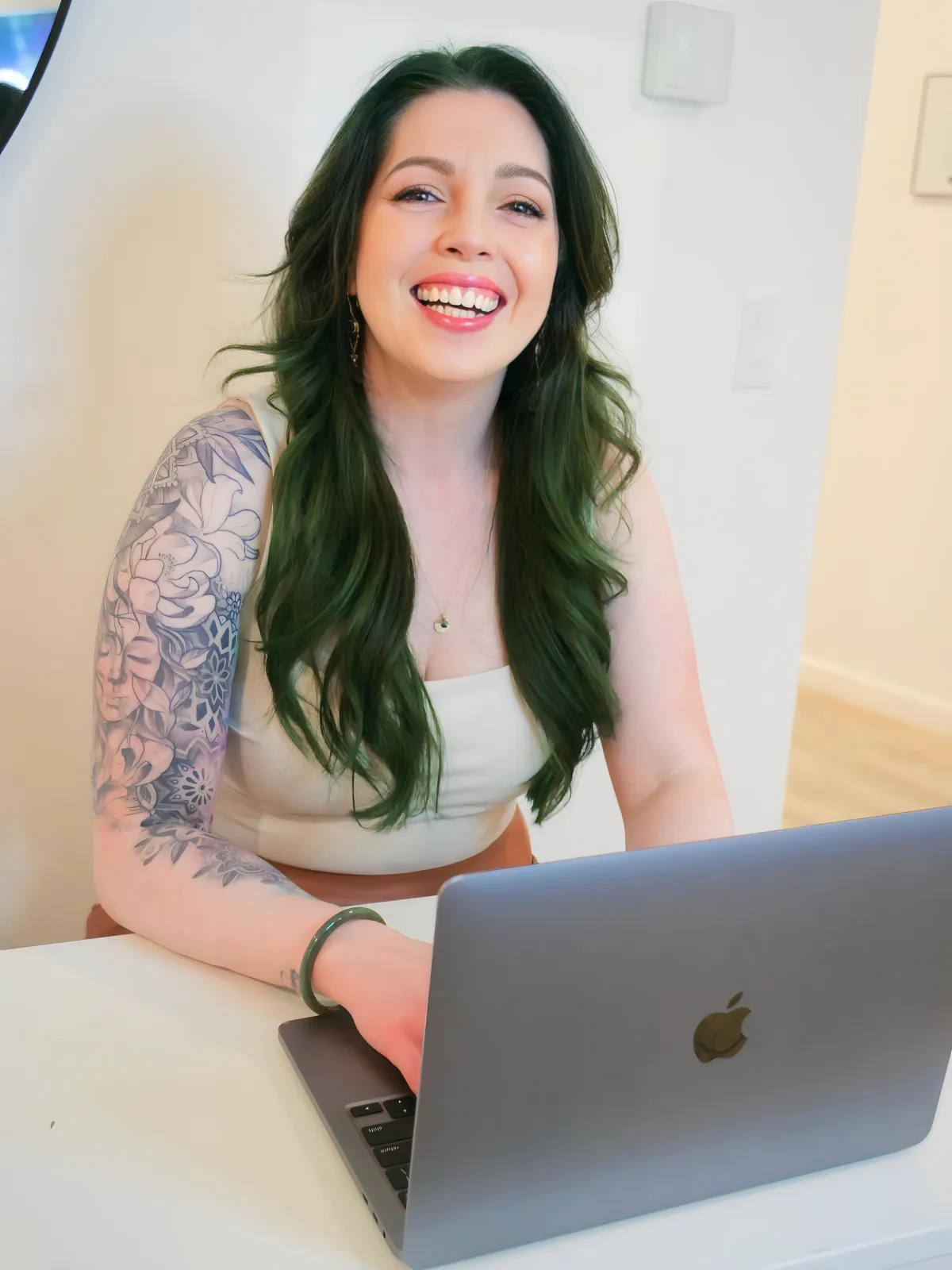
Jacquelyn Rodriguez
Jacquelyn is the founder of Enlightened Styles, a clean and holistic salon and head spa, and the coach behind Clean Beauty Biz. She is the author of "Change Worthy: Profit with Purpose," co-founder of The Green Beauty Community, host of The Impactful Podcast, and a Certified Master Neurocoach with 23 plus years as a licensed cosmetologist. In 2026 she led The Green Salon Impact Tour, teaching sustainability to beauty professionals across the industry.
Ready to build a cleaner, more profitable salon?
Start with The Clean Beauty Blueprint, a free program that walks you through the first steps of going clean, green, and sustainable without losing profit.
Get The Clean Beauty Blueprint, Free







FEATURED IN: