For a limited time, The Clean Beauty Blueprint (a full $997 program) is completely free

Clean Beauty Biz Blog
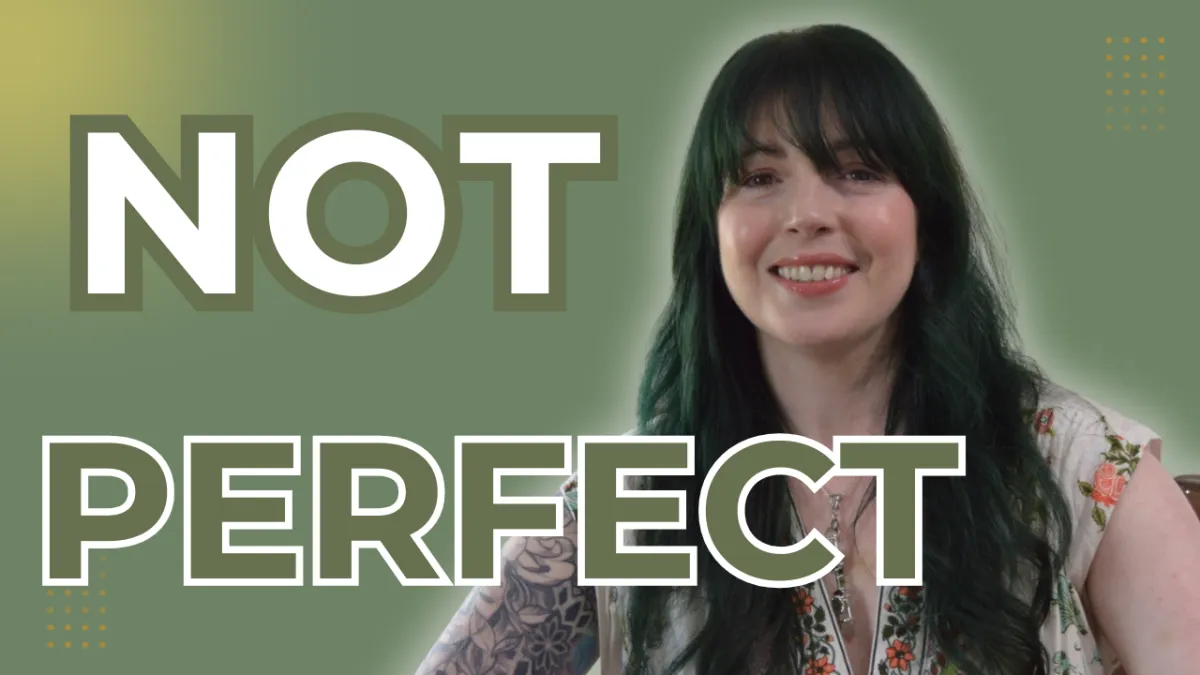
When Perfection Isn't Possible: Being a Sustainable Salon Owner in A Modern World
At some point, anyone who genuinely cares about sustainability runs into an uncomfortable truth:
You cannot live, work, or run a business in the modern world without causing harm somewhere in the system.
That realization can be jarring. For many people - especially those who have built their identity around being clean, ethical, or values-led - it can trigger guilt, paralysis, or even a feeling of hypocrisy.
This article is about that moment.
The moment when sustainability stops being an aesthetic and starts being real.
It’s about navigating the messy middle between intention and impact, and learning how to make honest, conscious decisions without burning yourself out or giving up altogether.
When Sustainability Gets Uncomfortable
Sometimes, growth comes from being challenged. The critics may not intentionally be trying to tear you down, but they are asking questions that force you to look deeper.
A single question can crack open an entire belief system:
Am I actually aligned?
Am I performing sustainability, or living it?
Where do my values bend under real-world pressure?
These questions are uncomfortable because they don’t have clean answers.
They force us to confront a reality many people would rather avoid: there is no version of sustainability that exists without compromise.
The Myth of “Clean Hands”
There’s a quiet but powerful idea floating around the sustainability space:
If you truly care, your choices should be spotless.
No contradictions.
No trade-offs.
No participation in flawed systems.
This idea sounds noble, but it’s deeply unrealistic.
We live in a world built on extractive systems:
Technology relies on conflict minerals
Clothing supply chains exploit labor
Shipping and transportation carry massive carbon costs
Business platforms prioritize scale over ethics
Participating in modern life automatically means participating in harm.
The problem isn’t that harm exists.
The problem is pretending that individuals can opt out of it completely.
When sustainability is framed as moral purity, people end up feeling like frauds, being frozen by decision fatigue, or afraid to take action unless it’s “perfect”
And that leads to the most unsustainable outcome of all: doing nothing.
The Hidden Cost of Perfectionism
Perfectionism is often mistaken for integrity.
In reality, perfectionism:
Delays progress
Increases anxiety
Shifts focus from impact to optics
Keeps people stuck in endless research loops
When people believe they must get everything right before they act, they often never act at all.
This shows up constantly in sustainability-focused businesses:
Salon owners who want to reduce toxins but feel overwhelmed
Entrepreneurs who delay launching because supply chains aren’t “clean enough”
Professionals who know change is needed but feel paralyzed by guilt
Waiting for the perfect solution becomes a socially acceptable form of inaction.
Sustainability Is About Degrees of Harm, Not Good vs. Bad
One of the most important mindset shifts is this:
Most decisions are not between “sustainable” and “unsustainable.”
They are between different levels of harm.
This is an uncomfortable truth, but a necessary one.
Real sustainability requires asking harder questions:
Which option causes less harm overall?
Which choice creates the greatest long-term impact?
What trade-offs am I making, and am I being honest about them?
This reframes sustainability from moral judgment to ethical decision-making.
It’s not about pretending your hands are clean.
It’s about deciding what you’ll do with hands that won’t ever be fully clean.
Impact vs. Purity: The Tension No One Talks About
One of the hardest questions conscious professionals face is:
Do I care more about purity or impact?
Purity feels safer.
It protects identity.
It avoids criticism.
But purity often limits reach.
Impact, on the other hand, usually requires engaging with imperfect systems:
Platforms that have ethical issues
Tools that aren’t ideal but are accessible
Processes that aren’t clean but are effective
Choosing impact doesn’t mean endorsing harm.
It means acknowledging reality and working within it to create change.
The danger lies in pretending there is no trade-off.
Transparency is what separates conscious leadership from greenwashing.
Why Guilt Is a Feature, Not a Bug For Big Companies
There’s another layer to this conversation that often goes unspoken.
Entire industries have been built around transferring responsibility from systems to individuals.
You’re told:
Recycle more
Buy the “eco” version
Feel bad if you don’t
This framing places the emotional burden on consumers instead of corporations even though large systems have far more power to create change.
Psychologically, this is known as individual responsibility framing.
It’s effective because it:
Keeps people focused on personal guilt
Prevents systemic accountability
Turns sustainability into a moral identity rather than a structural issue
When people internalize this messaging, they feel responsible for problems they didn’t create and powerless to solve those problems.
What Conscious Decision-Making Actually Looks Like
Conscious sustainability isn’t about having all the answers.
It’s about having a framework for making hard choices without losing integrity.
A practical, honest framework looks like this:
1. Get Clear on Your Core Values
Not buzzwords, real priorities.
Health. Community. Education. Longevity. Access.
2. Evaluate Real Impact, Not Marketing Claims
Look past labels. Ask what actually happens if you don’t act.
3. Acknowledge the Trade-Offs
Name them. Don’t hide them. Don’t sugarcoat them.
4. Choose Direction Over Perfection
Ask: Does this move us closer to the world we want even if imperfectly?
5. Stay Open to Better Options
Making a choice today doesn’t lock you in forever. Conscious leadership evolves.
This approach allows action without denial and progress without burnout.
Why Transparency Builds More Trust Than Perfection
One of the most damaging things a values-led business can do is pretend to be flawless.
People don’t trust perfection.
They trust honesty.
Transparency:
Builds credibility
Prevents accusations of greenwashing
Creates space for learning and growth
Invites others into the process instead of positioning yourself above it
Admitting trade-offs doesn’t weaken your message.
It strengthens it.
What This Means for Salon Owners and Conscious Professionals
In industries like beauty, wellness, and education, these decisions are constant:
Packaging vs. refill systems
Chemical services vs. client expectations
Profitability vs. accessibility
Travel vs. in-person education
There is no single “right” answer.
The most sustainable salons and businesses aren’t the ones with perfect systems, they’re the ones that:
Make intentional choices
Communicate honestly
Keep improving over time
Don’t let guilt stop them from acting
If every business made one better decision aligned with their values, the collective impact would be enormous.
The Permission Most People Need
Here’s the truth many people need to hear:
You are allowed to start where you are.
You are allowed to be imperfect.
You are allowed to participate in flawed systems while working to change them.
That’s not hypocrisy.
That’s being human in a complex world.
Progress doesn’t come from purity.
It comes from people willing to act honestly, thoughtfully, and imperfectly.
And that, ultimately, is what creates real change.


Jacquelyn Rodriguez
Jacquelyn is the founder of Enlightened Styles, a clean and holistic salon and head spa, and the coach behind Clean Beauty Biz. She is the author of "Change Worthy: Profit with Purpose," co-founder of The Green Beauty Community, host of The Impactful Podcast, and a Certified Master Neurocoach with 23 plus years as a licensed cosmetologist. In 2026 she led The Green Salon Impact Tour, teaching sustainability to beauty professionals across the industry.
Ready to build a cleaner, more profitable salon?
Start with The Clean Beauty Blueprint, a free program that walks you through the first steps of going clean, green, and sustainable without losing profit.
Get The Clean Beauty Blueprint, Free







FEATURED IN: